Why Tuscany's Wine Country Makes a Better Corporate Retreat Than Another Conference Room.
25 September, 2026


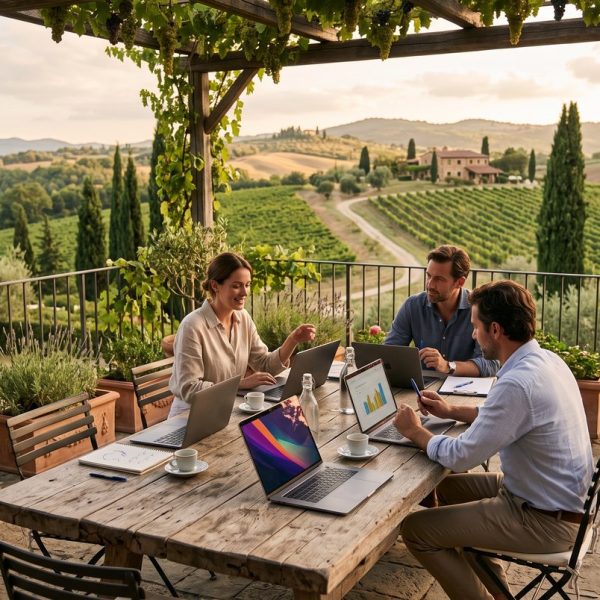
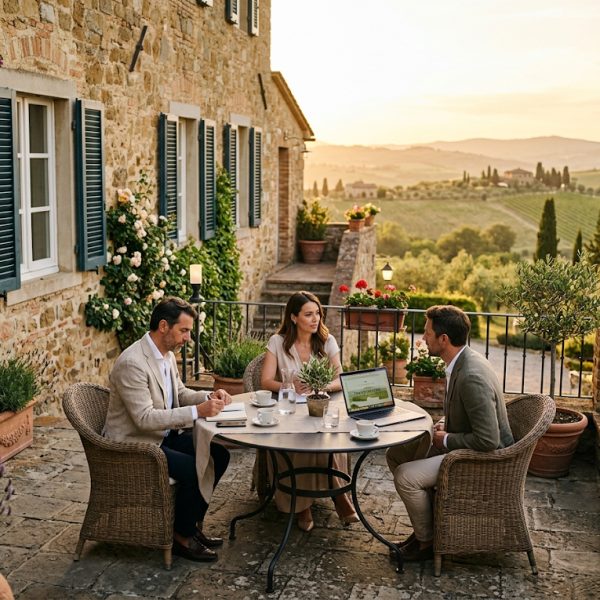
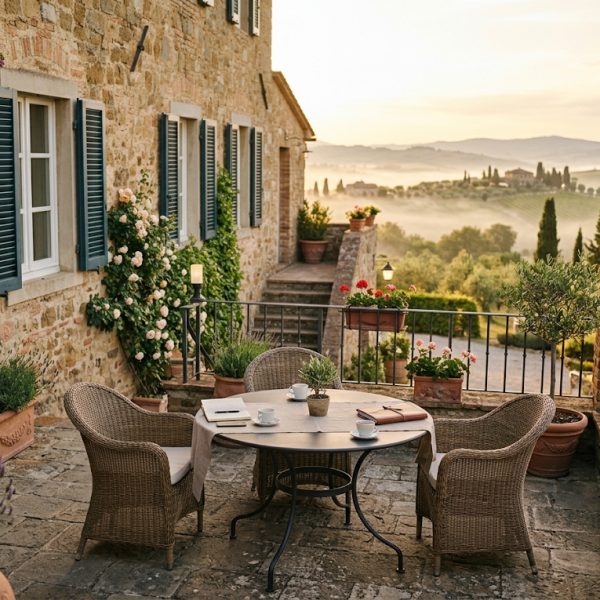
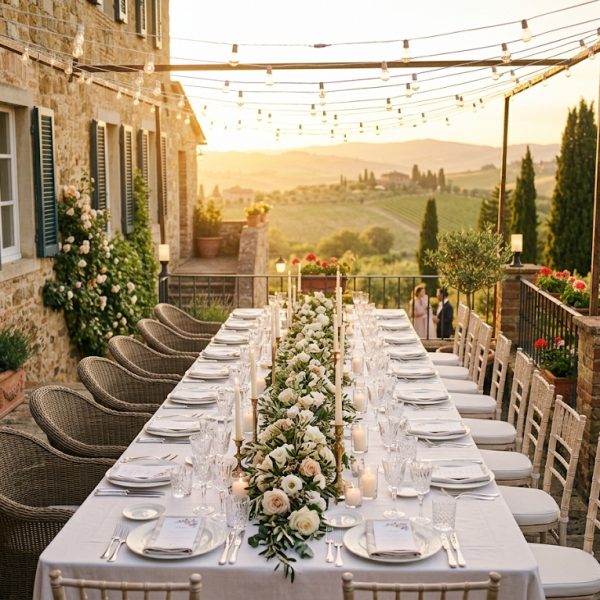
Every company eventually books the same kind of offsite: a hotel conference room with stacked chairs, a projector that never quite focuses, and a lunch buffet nobody remembers by Friday. A corporate retreat does not have to look like that. Set it in Tuscany's wine country instead, among vineyards, stone farmhouses and towns that have hosted travelers for centuries, and the same three days of strategy sessions and team building suddenly produce better conversations, because people are relaxed enough to actually have them.
Corporate retreats in Tuscany offer more than wine tasting and scenic views. They create an ideal environment for new team members to bond and understand company culture away from daily pressures. Organizations that invest in thoughtful employee onboarding.
What a Corporate Retreat Is Supposed to Do
The point of a corporate retreat was never really the meeting room. It is getting a team out of its usual environment long enough to think differently, build trust and have the kind of hallway conversation that never happens over video calls. Most corporate retreat locations chase this goal with a nicer hotel and a better breakfast, which helps, but the setting itself does a lot of the work. A group walking through a vineyard between sessions talks differently than a group shuffling between two identical rooms on the same floor.
Tuscany offers something that few corporate retreat venues can match: a landscape people actually want to be photographed in, paired with a slower pace that makes it easier to switch from execution mode into planning mode. That contrast is exactly what a strategy offsite needs.
Why Wine Country Specifically Works for Business
A tuscany wine tour built into the schedule is not just a nice afternoon off. Wine tastings are naturally structured around small groups, shared tables and unhurried conversation, which is precisely the format that gets colleagues talking who normally only exchange messages in a shared inbox. Winemakers are also used to hosting groups and can tailor a visit around a short talk on the harvest, the soil or the family history behind the label, giving the afternoon enough substance that it still reads as a program activity rather than pure downtime.
The best corporate retreat locations in this region tend to sit close enough to two or three wineries that a group can visit one without losing half a day to driving. That logistical detail matters more than most planners expect. A gorgeous winery an hour and a half away eats into working sessions and arrives with a tired, carsick group.
Choosing Between Villas, Agriturismi and Business Hotels
Tuscany's corporate retreat venues generally fall into three categories. A private villa gives a company exclusive use of the property, which is ideal for a leadership team of ten to twenty that wants privacy for sensitive strategy discussions. An agriturismo, a working farm that also hosts guests, tends to suit teams that want the wine country experience built directly into the stay rather than bolted on as a day trip. A business hotel with proper conference facilities is usually the right call for larger groups, since it can handle simultaneous breakout sessions and reliable wifi in a way a converted farmhouse sometimes cannot.
Whichever format a company chooses, it is worth asking early about bandwidth, backup power and a real room for video calls, since even the most scenic countryside offsite eventually needs someone to dial into a call with a client back home.
Making the Business Case to Finance
Finance teams tend to approve a retreat faster when the itinerary shows clear working blocks alongside the wine country afternoons, rather than a trip that reads as a vacation with a slide deck attached. A simple structure works well: mornings for strategy and planning, one guided cultural or wine activity after lunch, and evenings left open for the informal conversations that usually matter most. That balance also makes the retreat easier to defend if anyone questions the spend later.
International companies planning a retreat with colleagues from several offices should also think about language early, not as an afterthought. Meeting materials, welcome packets and even the printed schedule benefit from the same care that hospitality and tourism brands put into their own guest communication, and translation done well for tourism and hospitality is a good model for it: clear, warm and free of the stiffness that comes from a rushed word-for-word version.
Getting the Details Right Once You Arrive
A retreat with guests flying in from multiple countries lives or dies on small logistics: airport transfers timed to actual flight arrivals, room assignments sent out before anyone lands, and a welcome dinner that does not start so late that jet-lagged colleagues skip it. Seasoned business travelers on r/travel repeat the same advice for a reason: build in one buffer day before the working sessions start, because a team that arrives exhausted gets far less out of even the best-planned agenda.
It also helps to study how other hospitality brands handle an international audience. Hotels that lose bookings over small hotel direct bookings mistakes usually made the same error a retreat organizer can also make: assuming one language and one set of expectations cover every guest. Tuscany's own wine tradition, documented in detail on business translation services to build a multilingual customer journey from first enquiry to repeat purchase. Clear, localised communication makes international customers feel expected rather than accommodated as an extra. For a young brand, that feeling is often what turns early foreign interest into lasting revenue.
iki/Tuscan_wine">Tuscan wine's long regional history, is part of what makes the region feel worth the trip in the first place, and that sense of occasion is what people actually remember once the slide decks are forgotten.
Booked well, a Tuscany retreat costs about the same as a forgettable week at a convention center hotel, and it tends to produce the kind of team cohesion that a conference room simply cannot manufacture.
Recent Posts
Cooking Classes Draw More Fren...
Warum deutsche Familien den He...
Pourquoi les Français télét...
Why French Executives Are Choo...
Warum deutsche Geschäftsreise...
La Toscane devient la destinat...
Share it.

Links
We use cookies
We use cookies to give you the best online experience, remember your preferences, and understand how the site is used. You can accept all cookies, reject optional ones, or choose which categories to allow.
Privacy PolicyCookie preferences
Choose which cookies we can use. Necessary cookies stay on because the site cannot work without them.
For more details, read our Privacy Policy.